
Neowise comet meets lightning
The story behind the photo I captured of Neowise comet over the Kamnik Alps just as lighning striked over the Kamnik Alps in Slovenia.
Spring in Slovenia – Flowers and Snowcapped Mountains
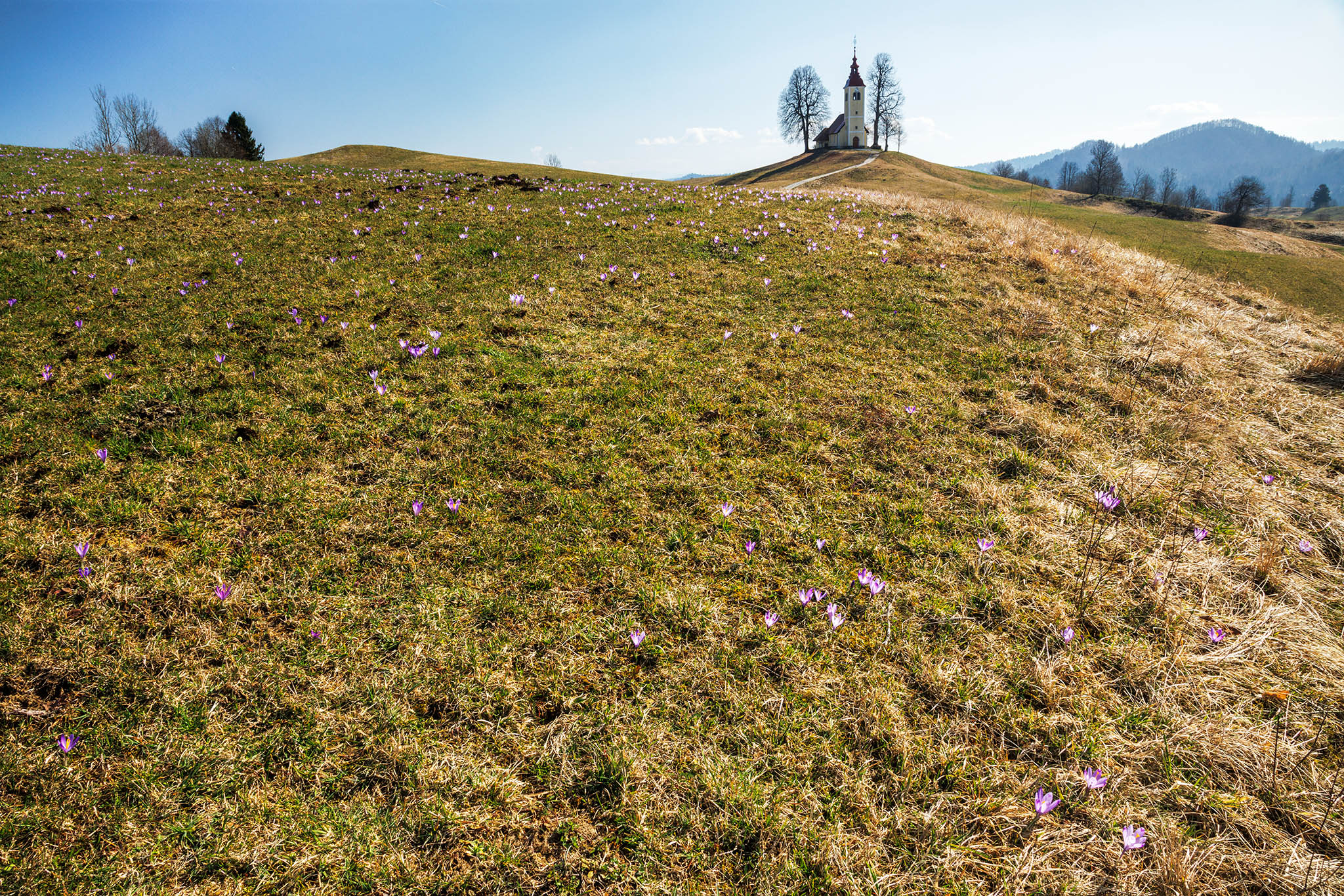
It starts gently. Weeks before the mountain passes clear and the tourist coaches roll in, something remarkable happens in the hillsides and meadows. Tens of thousands of crocuses and other spring flowers push up through still, cold grass, carpeting the hillsides in soft violet and mauve almost overnight. They don’t announce themselves. You simply round a bend, and there they are.

Bear Essentials – EOS Magazine
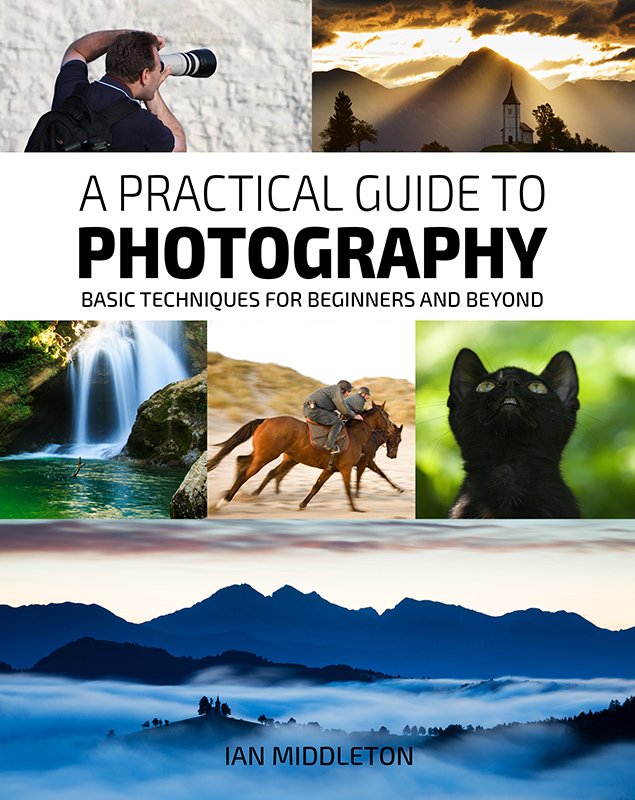
Since 2015 , I have been privileged to visit and photograph the beautiful brown bears that roam the heavily forested country of Slovenia. This article was written for EOS Magazine and has just been published.
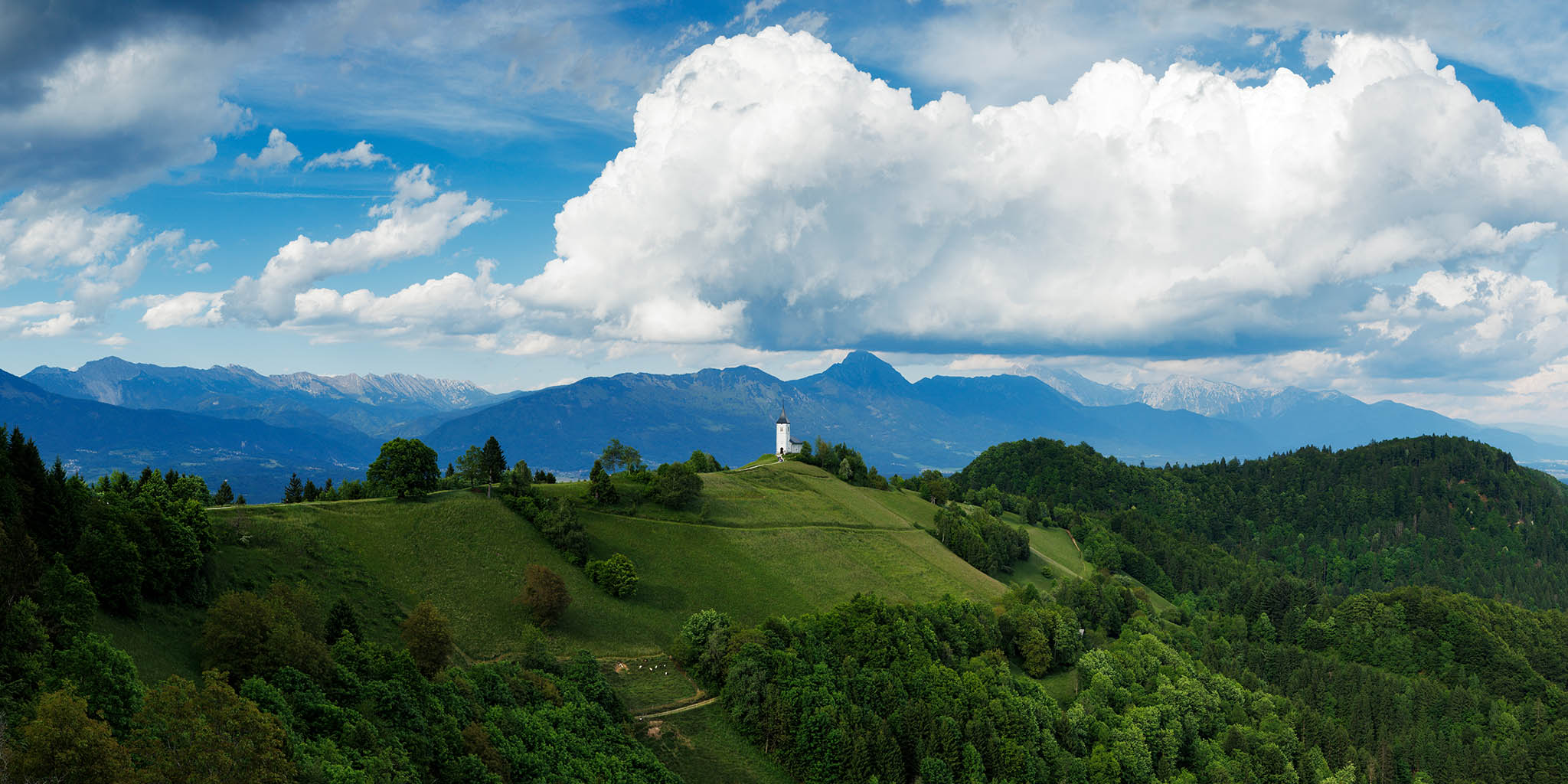
How to create a stitched panoramic photo
In my latest YouTube video, I show you how to create a stitched panoramic photo, filmed at Jamnik Church in Slovenia, a great location for panos.
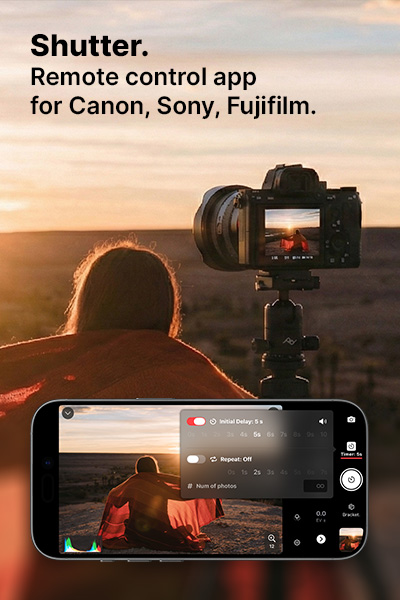
In my video, I use the Benro 34clv levelling tripod to ensure all frames are perfectly level as you pan across the scene. In addition to this, you will also see how I use the Shutter remote control app to help compose the images and trigger each shot without having the touch the camera at all.

Finding a new perspective
At first I was annoyed when the usual road to Sveta Ana church was closed and I was diverted through the village of Kamnik pod Krimom. But when I chanced upon this viewpoint showing both these churches in an adjacent setting, I forgave them. It just goes to show how driving around can reveal all sorts of different perspectives.
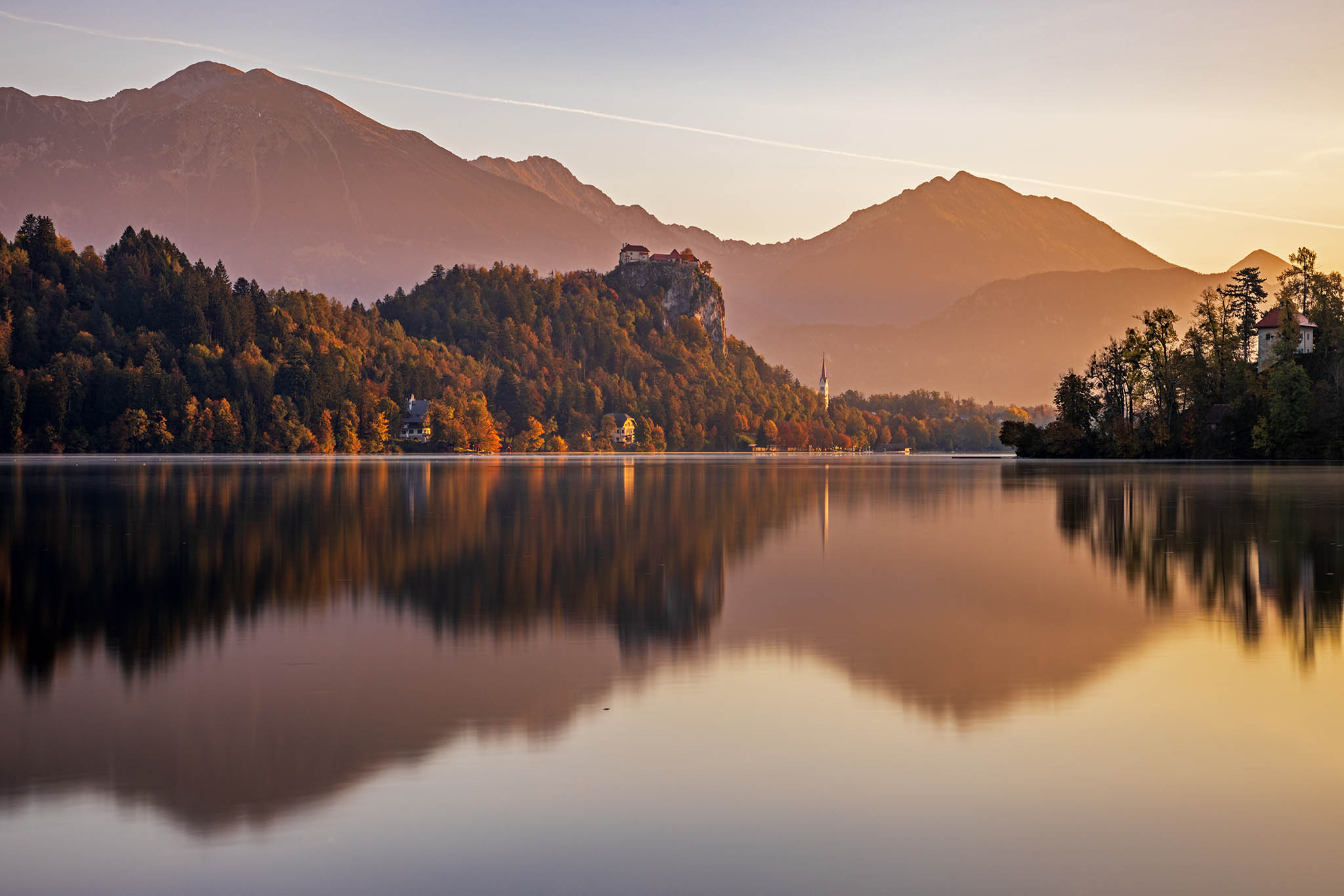
Slovenia Autumn Workshop Report
Bad weather should never stop a workshop. It’s an opportunity to show just what you CAN photograph & how best to utilise the conditions. On mu Slovenia autumn workshop, we did just that.